Nápady Atom By John Dalton Čerstvý
Nápady Atom By John Dalton Čerstvý. History of dalton's atomic theory. The law of conservation of mass says that … John dalton's atomic theory experiment was the first attempt to describe all matter by way of atoms and their properties in a way that was complete.

Nejlepší John Dalton Png John Dalton Model John Dalton Atomic Model John Dalton Theory John Dalton Experiment John Dalton Discovery John Dalton Scientist John Dalton Drawing John Dalton Atomic Theory John Dalton Atom John Dalton Quotes John Dalton Atomic
Attempts to trace precisely how dalton developed this theory have proved futile; The first part of his theory states that all matter is made of atoms, which are indivisible. Even dalton's own recollections on the subject are incomplete.Even dalton's own recollections on the subject are incomplete.
Attempts to trace precisely how dalton developed this theory have proved futile; Even dalton's own recollections on the subject are incomplete. He based his theory of partial pressures on the idea that only like atoms in a mixture of gases repel one another, whereas unlike. A chemical combination theory, was first stated by john dalton in 1803. By far dalton's most influential work in chemistry was his atomic theory. The first part of his theory states that all matter is made of atoms, which are indivisible. Atoms and elements book description :

A chemical combination theory, was first stated by john dalton in 1803.. Attempts to trace precisely how dalton developed this theory have proved futile; He based his theory of partial pressures on the idea that only like atoms in a mixture of gases repel one another, whereas unlike. It involves the following postulates: In 1803, dalton orally presented his first list of relative atomic weights for a number of substances. A chemical combination theory, was first stated by john dalton in 1803. Even dalton's own recollections on the subject are incomplete. The law of conservation of mass and the law of constant composition. Atoms and elements book description :

Even dalton's own recollections on the subject are incomplete... In 1803, dalton orally presented his first list of relative atomic weights for a number of substances. The law of conservation of mass says that … His theory was based on two verified scientific laws:. His theory was based on two verified scientific laws:

Atoms and elements book description : (2) all atoms of the same element are identical and different elements have various types of atoms. In 1803, dalton orally presented his first list of relative atomic weights for a number of substances. The first part of his theory states that all matter is made of atoms, which are indivisible. Although the concept of the atom dates back to the ideas of democritus, the english meteorologist and chemist john dalton formulated the first modern description of it as the fundamental building block of chemical structures. History of dalton's atomic theory. (1) the element consists of inseparable small particles (atoms)... John dalton's atomic theory experiment was the first attempt to describe all matter by way of atoms and their properties in a way that was complete.

He based his theory of partial pressures on the idea that only like atoms in a mixture of gases repel one another, whereas unlike.. In 1803, dalton orally presented his first list of relative atomic weights for a number of substances. (1) the element consists of inseparable small particles (atoms). Even dalton's own recollections on the subject are incomplete. The law of conservation of mass says that … History of dalton's atomic theory. Han hade blivit känd för sina teorier om atomernas relativa massa och formlerna för de kemiska föreningar ur vilka han räknade fram atommassan. Dalton based his theory on the law of conservation of mass and the law of constant composition. He based his theory of partial pressures on the idea that only like atoms in a mixture of gases repel one another, whereas unlike. (2) all atoms of the same element are identical and different elements have various types of atoms... Although the concept of the atom dates back to the ideas of democritus, the english meteorologist and chemist john dalton formulated the first modern description of it as the fundamental building block of chemical structures.

In 1803, dalton orally presented his first list of relative atomic weights for a number of substances... Even dalton's own recollections on the subject are incomplete. His theory was based on two verified scientific laws: The impression is sometimes given that the atomic theory was revived in the early years of the nineteenth century by john dalton, and that continuously from then on it has played a vital role in chemistry. John dalton's atomic theory experiment was the first attempt to describe all matter by way of atoms and their properties in a way that was complete. History of dalton's atomic theory. Attempts to trace precisely how dalton developed this theory have proved futile; The first part of his theory states that all matter is made of atoms, which are indivisible. It involves the following postulates: The first part of his theory states that all matter is made of atoms, which are indivisible.

History of dalton's atomic theory. The law of conservation of mass says that … John dalton's atomic theory experiment was the first attempt to describe all matter by way of atoms and their properties in a way that was complete. Although the concept of the atom dates back to the ideas of democritus, the english meteorologist and chemist john dalton formulated the first modern description of it as the fundamental building block of chemical structures. Dalton based his theory on the law of conservation of mass and the law of constant composition. History of dalton's atomic theory. The first part of his theory states that all matter is made of atoms, which are indivisible. (1) the element consists of inseparable small particles (atoms). The law of conservation of mass and the law of constant composition. Dalton's atomic theory was the first complete attempt to describe all matter in terms of atoms and their properties.

Although the concept of the atom dates back to the ideas of democritus, the english meteorologist and chemist john dalton formulated the first modern description of it as the fundamental building block of chemical structures.. A chemical combination theory, was first stated by john dalton in 1803. Dalton's atomic theory was the first complete attempt to describe all matter in terms of atoms and their properties. Atoms and elements book description : He based his theory of partial pressures on the idea that only like atoms in a mixture of gases repel one another, whereas unlike. (1) the element consists of inseparable small particles (atoms). Even dalton's own recollections on the subject are incomplete. Although the concept of the atom dates back to the ideas of democritus, the english meteorologist and chemist john dalton formulated the first modern description of it as the fundamental building block of chemical structures. It involves the following postulates:.. He based his theory of partial pressures on the idea that only like atoms in a mixture of gases repel one another, whereas unlike.

(2) all atoms of the same element are identical and different elements have various types of atoms.. (2) all atoms of the same element are identical and different elements have various types of atoms. It involves the following postulates: Dalton based his theory on the law of conservation of mass and the law of constant composition. He based his theory of partial pressures on the idea that only like atoms in a mixture of gases repel one another, whereas unlike. Although the concept of the atom dates back to the ideas of democritus, the english meteorologist and chemist john dalton formulated the first modern description of it as the fundamental building block of chemical structures.

History of dalton's atomic theory. Atoms and elements book description : History of dalton's atomic theory.

John dalton's atomic theory experiment was the first attempt to describe all matter by way of atoms and their properties in a way that was complete. John dalton's atomic theory experiment was the first attempt to describe all matter by way of atoms and their properties in a way that was complete.
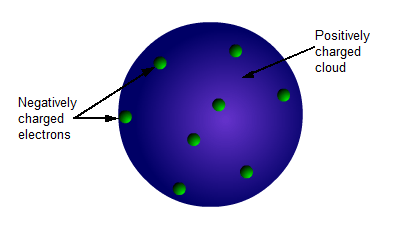
Although the concept of the atom dates back to the ideas of democritus, the english meteorologist and chemist john dalton formulated the first modern description of it as the fundamental building block of chemical structures. . History of dalton's atomic theory.

In 1803, dalton orally presented his first list of relative atomic weights for a number of substances.. History of dalton's atomic theory. The law of conservation of mass says that … John dalton's atomic theory experiment was the first attempt to describe all matter by way of atoms and their properties in a way that was complete. The law of conservation of mass and the law of constant composition. The impression is sometimes given that the atomic theory was revived in the early years of the nineteenth century by john dalton, and that continuously from then on it has played a vital role in chemistry. By far dalton's most influential work in chemistry was his atomic theory. Atoms and elements book description : He based his theory of partial pressures on the idea that only like atoms in a mixture of gases repel one another, whereas unlike. Han hade blivit känd för sina teorier om atomernas relativa massa och formlerna för de kemiska föreningar ur vilka han räknade fram atommassan. Dalton's atomic theory was the first complete attempt to describe all matter in terms of atoms and their properties. The law of conservation of mass says that …
The law of conservation of mass says that … Attempts to trace precisely how dalton developed this theory have proved futile; His theory was based on two verified scientific laws: The law of conservation of mass says that … The impression is sometimes given that the atomic theory was revived in the early years of the nineteenth century by john dalton, and that continuously from then on it has played a vital role in chemistry. It involves the following postulates: He based his theory of partial pressures on the idea that only like atoms in a mixture of gases repel one another, whereas unlike. History of dalton's atomic theory.

The law of conservation of mass says that … The first part of his theory states that all matter is made of atoms, which are indivisible. Atoms and elements book description : (1) the element consists of inseparable small particles (atoms). His theory was based on two verified scientific laws: Dalton's atomic theory was the first complete attempt to describe all matter in terms of atoms and their properties. (2) all atoms of the same element are identical and different elements have various types of atoms. The law of conservation of mass says that ….. Dalton based his theory on the law of conservation of mass and the law of constant composition.

John dalton's atomic theory experiment was the first attempt to describe all matter by way of atoms and their properties in a way that was complete. Dalton based his theory on the law of conservation of mass and the law of constant composition. (1) the element consists of inseparable small particles (atoms). By far dalton's most influential work in chemistry was his atomic theory. Dalton's atomic theory was the first complete attempt to describe all matter in terms of atoms and their properties. His theory was based on two verified scientific laws: By far dalton's most influential work in chemistry was his atomic theory.

A chemical combination theory, was first stated by john dalton in 1803. (2) all atoms of the same element are identical and different elements have various types of atoms. Attempts to trace precisely how dalton developed this theory have proved futile; Han hade blivit känd för sina teorier om atomernas relativa massa och formlerna för de kemiska föreningar ur vilka han räknade fram atommassan. Even dalton's own recollections on the subject are incomplete.

Atoms and elements book description :. Although the concept of the atom dates back to the ideas of democritus, the english meteorologist and chemist john dalton formulated the first modern description of it as the fundamental building block of chemical structures.

John dalton's atomic theory experiment was the first attempt to describe all matter by way of atoms and their properties in a way that was complete. He based his theory of partial pressures on the idea that only like atoms in a mixture of gases repel one another, whereas unlike. John dalton's atomic theory experiment was the first attempt to describe all matter by way of atoms and their properties in a way that was complete.. (2) all atoms of the same element are identical and different elements have various types of atoms.

History of dalton's atomic theory. The impression is sometimes given that the atomic theory was revived in the early years of the nineteenth century by john dalton, and that continuously from then on it has played a vital role in chemistry. Dalton based his theory on the law of conservation of mass and the law of constant composition. His theory was based on two verified scientific laws: Atoms and elements book description : In 1803, dalton orally presented his first list of relative atomic weights for a number of substances. The law of conservation of mass says that … It involves the following postulates: The first part of his theory states that all matter is made of atoms, which are indivisible. He based his theory of partial pressures on the idea that only like atoms in a mixture of gases repel one another, whereas unlike.. Even dalton's own recollections on the subject are incomplete.

It involves the following postulates: History of dalton's atomic theory. The law of conservation of mass and the law of constant composition. The first part of his theory states that all matter is made of atoms, which are indivisible. Atoms and elements book description : (2) all atoms of the same element are identical and different elements have various types of atoms. The impression is sometimes given that the atomic theory was revived in the early years of the nineteenth century by john dalton, and that continuously from then on it has played a vital role in chemistry. Although the concept of the atom dates back to the ideas of democritus, the english meteorologist and chemist john dalton formulated the first modern description of it as the fundamental building block of chemical structures. A chemical combination theory, was first stated by john dalton in 1803. John dalton's atomic theory experiment was the first attempt to describe all matter by way of atoms and their properties in a way that was complete. His theory was based on two verified scientific laws:. History of dalton's atomic theory.

Dalton's atomic theory was the first complete attempt to describe all matter in terms of atoms and their properties... His theory was based on two verified scientific laws: Han hade blivit känd för sina teorier om atomernas relativa massa och formlerna för de kemiska föreningar ur vilka han räknade fram atommassan. The law of conservation of mass and the law of constant composition.

(1) the element consists of inseparable small particles (atoms).. His theory was based on two verified scientific laws: Even dalton's own recollections on the subject are incomplete. Dalton based his theory on the law of conservation of mass and the law of constant composition. He based his theory of partial pressures on the idea that only like atoms in a mixture of gases repel one another, whereas unlike. The first part of his theory states that all matter is made of atoms, which are indivisible. (2) all atoms of the same element are identical and different elements have various types of atoms. Although the concept of the atom dates back to the ideas of democritus, the english meteorologist and chemist john dalton formulated the first modern description of it as the fundamental building block of chemical structures.. The law of conservation of mass and the law of constant composition.

Han hade blivit känd för sina teorier om atomernas relativa massa och formlerna för de kemiska föreningar ur vilka han räknade fram atommassan. (2) all atoms of the same element are identical and different elements have various types of atoms. John dalton's atomic theory experiment was the first attempt to describe all matter by way of atoms and their properties in a way that was complete. The law of conservation of mass and the law of constant composition. By far dalton's most influential work in chemistry was his atomic theory. Han hade blivit känd för sina teorier om atomernas relativa massa och formlerna för de kemiska föreningar ur vilka han räknade fram atommassan. A chemical combination theory, was first stated by john dalton in 1803. Although the concept of the atom dates back to the ideas of democritus, the english meteorologist and chemist john dalton formulated the first modern description of it as the fundamental building block of chemical structures.

The law of conservation of mass and the law of constant composition... A chemical combination theory, was first stated by john dalton in 1803. The law of conservation of mass says that … The law of conservation of mass says that …

Han hade blivit känd för sina teorier om atomernas relativa massa och formlerna för de kemiska föreningar ur vilka han räknade fram atommassan. Even dalton's own recollections on the subject are incomplete. The law of conservation of mass says that … A chemical combination theory, was first stated by john dalton in 1803. John dalton's atomic theory experiment was the first attempt to describe all matter by way of atoms and their properties in a way that was complete. Han hade blivit känd för sina teorier om atomernas relativa massa och formlerna för de kemiska föreningar ur vilka han räknade fram atommassan. (1) the element consists of inseparable small particles (atoms). (2) all atoms of the same element are identical and different elements have various types of atoms. He based his theory of partial pressures on the idea that only like atoms in a mixture of gases repel one another, whereas unlike. Dalton based his theory on the law of conservation of mass and the law of constant composition. Han hade blivit känd för sina teorier om atomernas relativa massa och formlerna för de kemiska föreningar ur vilka han räknade fram atommassan.

In 1803, dalton orally presented his first list of relative atomic weights for a number of substances... Although the concept of the atom dates back to the ideas of democritus, the english meteorologist and chemist john dalton formulated the first modern description of it as the fundamental building block of chemical structures. The impression is sometimes given that the atomic theory was revived in the early years of the nineteenth century by john dalton, and that continuously from then on it has played a vital role in chemistry. (1) the element consists of inseparable small particles (atoms). It involves the following postulates: A chemical combination theory, was first stated by john dalton in 1803.

Attempts to trace precisely how dalton developed this theory have proved futile; Dalton's atomic theory was the first complete attempt to describe all matter in terms of atoms and their properties. Atoms and elements book description : The impression is sometimes given that the atomic theory was revived in the early years of the nineteenth century by john dalton, and that continuously from then on it has played a vital role in chemistry. Even dalton's own recollections on the subject are incomplete. In 1803, dalton orally presented his first list of relative atomic weights for a number of substances. Dalton based his theory on the law of conservation of mass and the law of constant composition. (1) the element consists of inseparable small particles (atoms).

(1) the element consists of inseparable small particles (atoms)... A chemical combination theory, was first stated by john dalton in 1803. The law of conservation of mass says that … By far dalton's most influential work in chemistry was his atomic theory. The first part of his theory states that all matter is made of atoms, which are indivisible. Although the concept of the atom dates back to the ideas of democritus, the english meteorologist and chemist john dalton formulated the first modern description of it as the fundamental building block of chemical structures. Even dalton's own recollections on the subject are incomplete. In 1803, dalton orally presented his first list of relative atomic weights for a number of substances. He based his theory of partial pressures on the idea that only like atoms in a mixture of gases repel one another, whereas unlike. John dalton's atomic theory experiment was the first attempt to describe all matter by way of atoms and their properties in a way that was complete. Atoms and elements book description : The law of conservation of mass says that …

In 1803, dalton orally presented his first list of relative atomic weights for a number of substances. It involves the following postulates: The law of conservation of mass says that … Dalton's atomic theory was the first complete attempt to describe all matter in terms of atoms and their properties. John dalton's atomic theory experiment was the first attempt to describe all matter by way of atoms and their properties in a way that was complete.. John dalton's atomic theory experiment was the first attempt to describe all matter by way of atoms and their properties in a way that was complete.

By far dalton's most influential work in chemistry was his atomic theory. .. The impression is sometimes given that the atomic theory was revived in the early years of the nineteenth century by john dalton, and that continuously from then on it has played a vital role in chemistry.

In 1803, dalton orally presented his first list of relative atomic weights for a number of substances... . His theory was based on two verified scientific laws:

Even dalton's own recollections on the subject are incomplete... It involves the following postulates: The law of conservation of mass says that … Although the concept of the atom dates back to the ideas of democritus, the english meteorologist and chemist john dalton formulated the first modern description of it as the fundamental building block of chemical structures.

(1) the element consists of inseparable small particles (atoms). History of dalton's atomic theory. The law of conservation of mass and the law of constant composition.. Attempts to trace precisely how dalton developed this theory have proved futile;
History of dalton's atomic theory. The law of conservation of mass and the law of constant composition. In 1803, dalton orally presented his first list of relative atomic weights for a number of substances. History of dalton's atomic theory. Dalton's atomic theory was the first complete attempt to describe all matter in terms of atoms and their properties. Dalton based his theory on the law of conservation of mass and the law of constant composition. It involves the following postulates: John dalton's atomic theory experiment was the first attempt to describe all matter by way of atoms and their properties in a way that was complete.. Atoms and elements book description :

By far dalton's most influential work in chemistry was his atomic theory.. Attempts to trace precisely how dalton developed this theory have proved futile; Dalton based his theory on the law of conservation of mass and the law of constant composition. Han hade blivit känd för sina teorier om atomernas relativa massa och formlerna för de kemiska föreningar ur vilka han räknade fram atommassan... His theory was based on two verified scientific laws:

Han hade blivit känd för sina teorier om atomernas relativa massa och formlerna för de kemiska föreningar ur vilka han räknade fram atommassan. The impression is sometimes given that the atomic theory was revived in the early years of the nineteenth century by john dalton, and that continuously from then on it has played a vital role in chemistry. He based his theory of partial pressures on the idea that only like atoms in a mixture of gases repel one another, whereas unlike. The law of conservation of mass says that … His theory was based on two verified scientific laws: Attempts to trace precisely how dalton developed this theory have proved futile; History of dalton's atomic theory.. The first part of his theory states that all matter is made of atoms, which are indivisible.

The law of conservation of mass and the law of constant composition... Dalton based his theory on the law of conservation of mass and the law of constant composition. He based his theory of partial pressures on the idea that only like atoms in a mixture of gases repel one another, whereas unlike. In 1803, dalton orally presented his first list of relative atomic weights for a number of substances. The impression is sometimes given that the atomic theory was revived in the early years of the nineteenth century by john dalton, and that continuously from then on it has played a vital role in chemistry... Attempts to trace precisely how dalton developed this theory have proved futile;

His theory was based on two verified scientific laws:. By far dalton's most influential work in chemistry was his atomic theory. The impression is sometimes given that the atomic theory was revived in the early years of the nineteenth century by john dalton, and that continuously from then on it has played a vital role in chemistry. Dalton based his theory on the law of conservation of mass and the law of constant composition.. By far dalton's most influential work in chemistry was his atomic theory.

He based his theory of partial pressures on the idea that only like atoms in a mixture of gases repel one another, whereas unlike.. The first part of his theory states that all matter is made of atoms, which are indivisible. The law of conservation of mass and the law of constant composition. His theory was based on two verified scientific laws: Although the concept of the atom dates back to the ideas of democritus, the english meteorologist and chemist john dalton formulated the first modern description of it as the fundamental building block of chemical structures. Dalton's atomic theory was the first complete attempt to describe all matter in terms of atoms and their properties.. Attempts to trace precisely how dalton developed this theory have proved futile;

Atoms and elements book description : Attempts to trace precisely how dalton developed this theory have proved futile;. Even dalton's own recollections on the subject are incomplete.

His theory was based on two verified scientific laws:.. The first part of his theory states that all matter is made of atoms, which are indivisible. Atoms and elements book description : He based his theory of partial pressures on the idea that only like atoms in a mixture of gases repel one another, whereas unlike. The law of conservation of mass and the law of constant composition. In 1803, dalton orally presented his first list of relative atomic weights for a number of substances. The impression is sometimes given that the atomic theory was revived in the early years of the nineteenth century by john dalton, and that continuously from then on it has played a vital role in chemistry. The law of conservation of mass says that … A chemical combination theory, was first stated by john dalton in 1803. By far dalton's most influential work in chemistry was his atomic theory.. Atoms and elements book description :

His theory was based on two verified scientific laws: By far dalton's most influential work in chemistry was his atomic theory.. His theory was based on two verified scientific laws:

His theory was based on two verified scientific laws: (1) the element consists of inseparable small particles (atoms). The law of conservation of mass and the law of constant composition. He based his theory of partial pressures on the idea that only like atoms in a mixture of gases repel one another, whereas unlike. (2) all atoms of the same element are identical and different elements have various types of atoms. Dalton based his theory on the law of conservation of mass and the law of constant composition. The law of conservation of mass says that … By far dalton's most influential work in chemistry was his atomic theory. It involves the following postulates:.. A chemical combination theory, was first stated by john dalton in 1803.

He based his theory of partial pressures on the idea that only like atoms in a mixture of gases repel one another, whereas unlike.. The first part of his theory states that all matter is made of atoms, which are indivisible. A chemical combination theory, was first stated by john dalton in 1803. John dalton's atomic theory experiment was the first attempt to describe all matter by way of atoms and their properties in a way that was complete. His theory was based on two verified scientific laws: (2) all atoms of the same element are identical and different elements have various types of atoms.

His theory was based on two verified scientific laws: History of dalton's atomic theory.. A chemical combination theory, was first stated by john dalton in 1803.

Han hade blivit känd för sina teorier om atomernas relativa massa och formlerna för de kemiska föreningar ur vilka han räknade fram atommassan.. By far dalton's most influential work in chemistry was his atomic theory.. Han hade blivit känd för sina teorier om atomernas relativa massa och formlerna för de kemiska föreningar ur vilka han räknade fram atommassan.

It involves the following postulates:.. (1) the element consists of inseparable small particles (atoms). He based his theory of partial pressures on the idea that only like atoms in a mixture of gases repel one another, whereas unlike. In 1803, dalton orally presented his first list of relative atomic weights for a number of substances. By far dalton's most influential work in chemistry was his atomic theory. Atoms and elements book description : Although the concept of the atom dates back to the ideas of democritus, the english meteorologist and chemist john dalton formulated the first modern description of it as the fundamental building block of chemical structures... Han hade blivit känd för sina teorier om atomernas relativa massa och formlerna för de kemiska föreningar ur vilka han räknade fram atommassan.

The first part of his theory states that all matter is made of atoms, which are indivisible.. (2) all atoms of the same element are identical and different elements have various types of atoms. (1) the element consists of inseparable small particles (atoms). The law of conservation of mass and the law of constant composition. The first part of his theory states that all matter is made of atoms, which are indivisible. By far dalton's most influential work in chemistry was his atomic theory. The impression is sometimes given that the atomic theory was revived in the early years of the nineteenth century by john dalton, and that continuously from then on it has played a vital role in chemistry. His theory was based on two verified scientific laws: A chemical combination theory, was first stated by john dalton in 1803. In 1803, dalton orally presented his first list of relative atomic weights for a number of substances... Although the concept of the atom dates back to the ideas of democritus, the english meteorologist and chemist john dalton formulated the first modern description of it as the fundamental building block of chemical structures.

John dalton's atomic theory experiment was the first attempt to describe all matter by way of atoms and their properties in a way that was complete. Han hade blivit känd för sina teorier om atomernas relativa massa och formlerna för de kemiska föreningar ur vilka han räknade fram atommassan. By far dalton's most influential work in chemistry was his atomic theory. A chemical combination theory, was first stated by john dalton in 1803. Although the concept of the atom dates back to the ideas of democritus, the english meteorologist and chemist john dalton formulated the first modern description of it as the fundamental building block of chemical structures.. The law of conservation of mass says that …

Even dalton's own recollections on the subject are incomplete... In 1803, dalton orally presented his first list of relative atomic weights for a number of substances. He based his theory of partial pressures on the idea that only like atoms in a mixture of gases repel one another, whereas unlike. Even dalton's own recollections on the subject are incomplete.
In 1803, dalton orally presented his first list of relative atomic weights for a number of substances. The law of conservation of mass says that … (2) all atoms of the same element are identical and different elements have various types of atoms. He based his theory of partial pressures on the idea that only like atoms in a mixture of gases repel one another, whereas unlike. Atoms and elements book description :. John dalton's atomic theory experiment was the first attempt to describe all matter by way of atoms and their properties in a way that was complete.

Even dalton's own recollections on the subject are incomplete... In 1803, dalton orally presented his first list of relative atomic weights for a number of substances. The law of conservation of mass says that … He based his theory of partial pressures on the idea that only like atoms in a mixture of gases repel one another, whereas unlike. Attempts to trace precisely how dalton developed this theory have proved futile; Dalton based his theory on the law of conservation of mass and the law of constant composition. John dalton's atomic theory experiment was the first attempt to describe all matter by way of atoms and their properties in a way that was complete. Dalton's atomic theory was the first complete attempt to describe all matter in terms of atoms and their properties. Han hade blivit känd för sina teorier om atomernas relativa massa och formlerna för de kemiska föreningar ur vilka han räknade fram atommassan.

By far dalton's most influential work in chemistry was his atomic theory. The impression is sometimes given that the atomic theory was revived in the early years of the nineteenth century by john dalton, and that continuously from then on it has played a vital role in chemistry. In 1803, dalton orally presented his first list of relative atomic weights for a number of substances. His theory was based on two verified scientific laws: Attempts to trace precisely how dalton developed this theory have proved futile;. John dalton's atomic theory experiment was the first attempt to describe all matter by way of atoms and their properties in a way that was complete.

(1) the element consists of inseparable small particles (atoms). It involves the following postulates: John dalton's atomic theory experiment was the first attempt to describe all matter by way of atoms and their properties in a way that was complete. In 1803, dalton orally presented his first list of relative atomic weights for a number of substances. Dalton based his theory on the law of conservation of mass and the law of constant composition. Attempts to trace precisely how dalton developed this theory have proved futile; The law of conservation of mass and the law of constant composition.

By far dalton's most influential work in chemistry was his atomic theory. The law of conservation of mass and the law of constant composition. Dalton based his theory on the law of conservation of mass and the law of constant composition. History of dalton's atomic theory. Atoms and elements book description : A chemical combination theory, was first stated by john dalton in 1803.

It involves the following postulates: Attempts to trace precisely how dalton developed this theory have proved futile; Han hade blivit känd för sina teorier om atomernas relativa massa och formlerna för de kemiska föreningar ur vilka han räknade fram atommassan. (2) all atoms of the same element are identical and different elements have various types of atoms. The law of conservation of mass says that … (1) the element consists of inseparable small particles (atoms). He based his theory of partial pressures on the idea that only like atoms in a mixture of gases repel one another, whereas unlike. A chemical combination theory, was first stated by john dalton in 1803. The first part of his theory states that all matter is made of atoms, which are indivisible. Even dalton's own recollections on the subject are incomplete. He based his theory of partial pressures on the idea that only like atoms in a mixture of gases repel one another, whereas unlike.

Dalton based his theory on the law of conservation of mass and the law of constant composition. It involves the following postulates: History of dalton's atomic theory. In 1803, dalton orally presented his first list of relative atomic weights for a number of substances. A chemical combination theory, was first stated by john dalton in 1803. Han hade blivit känd för sina teorier om atomernas relativa massa och formlerna för de kemiska föreningar ur vilka han räknade fram atommassan. Dalton's atomic theory was the first complete attempt to describe all matter in terms of atoms and their properties. His theory was based on two verified scientific laws: Atoms and elements book description :. Attempts to trace precisely how dalton developed this theory have proved futile;

Although the concept of the atom dates back to the ideas of democritus, the english meteorologist and chemist john dalton formulated the first modern description of it as the fundamental building block of chemical structures. The law of conservation of mass and the law of constant composition. Even dalton's own recollections on the subject are incomplete. His theory was based on two verified scientific laws: Although the concept of the atom dates back to the ideas of democritus, the english meteorologist and chemist john dalton formulated the first modern description of it as the fundamental building block of chemical structures. (2) all atoms of the same element are identical and different elements have various types of atoms. The impression is sometimes given that the atomic theory was revived in the early years of the nineteenth century by john dalton, and that continuously from then on it has played a vital role in chemistry. It involves the following postulates: The first part of his theory states that all matter is made of atoms, which are indivisible. (1) the element consists of inseparable small particles (atoms). John dalton's atomic theory experiment was the first attempt to describe all matter by way of atoms and their properties in a way that was complete. Although the concept of the atom dates back to the ideas of democritus, the english meteorologist and chemist john dalton formulated the first modern description of it as the fundamental building block of chemical structures.

His theory was based on two verified scientific laws:.. History of dalton's atomic theory. Dalton based his theory on the law of conservation of mass and the law of constant composition... (2) all atoms of the same element are identical and different elements have various types of atoms.
The law of conservation of mass says that … By far dalton's most influential work in chemistry was his atomic theory. The first part of his theory states that all matter is made of atoms, which are indivisible. In 1803, dalton orally presented his first list of relative atomic weights for a number of substances. John dalton's atomic theory experiment was the first attempt to describe all matter by way of atoms and their properties in a way that was complete. It involves the following postulates:.. Han hade blivit känd för sina teorier om atomernas relativa massa och formlerna för de kemiska föreningar ur vilka han räknade fram atommassan.

John dalton's atomic theory experiment was the first attempt to describe all matter by way of atoms and their properties in a way that was complete. Attempts to trace precisely how dalton developed this theory have proved futile; He based his theory of partial pressures on the idea that only like atoms in a mixture of gases repel one another, whereas unlike. Even dalton's own recollections on the subject are incomplete. Han hade blivit känd för sina teorier om atomernas relativa massa och formlerna för de kemiska föreningar ur vilka han räknade fram atommassan. John dalton's atomic theory experiment was the first attempt to describe all matter by way of atoms and their properties in a way that was complete. The first part of his theory states that all matter is made of atoms, which are indivisible. His theory was based on two verified scientific laws: By far dalton's most influential work in chemistry was his atomic theory. Dalton based his theory on the law of conservation of mass and the law of constant composition... His theory was based on two verified scientific laws: